
By Staff Reporter
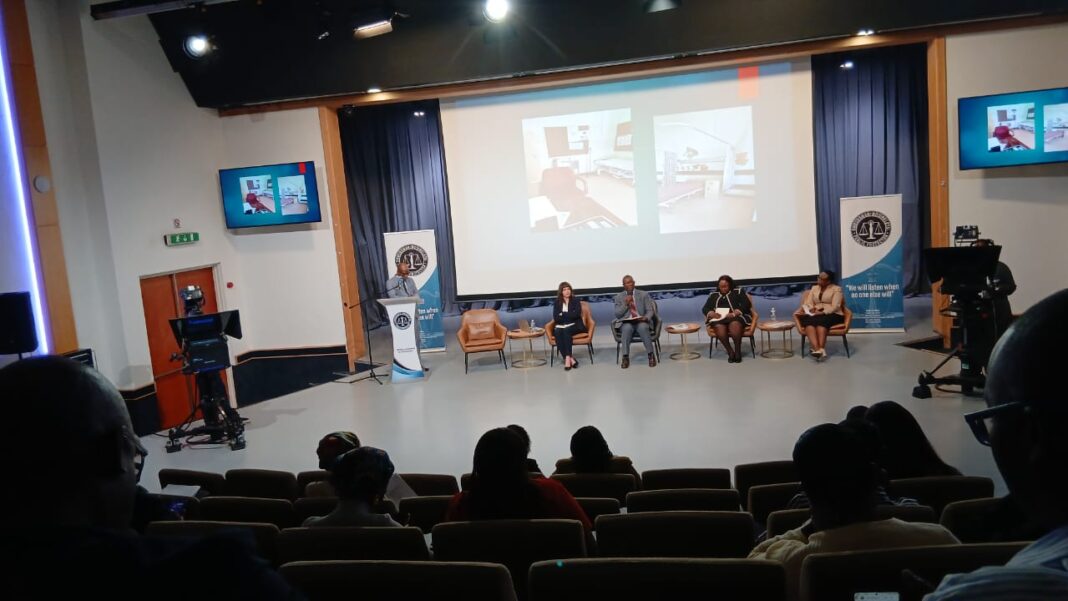
In a startling revelation that validates years of public outcry, the Office of the Ombudsman declared yesterday that the media reports highlighting the deterioration of Botswana’s healthcare system were merely the “tip of the iceberg” of a much deeper institutional crisis. Addressing the media in Gaborone, the Ombudsman presented the findings of a six-month “own motion” investigation, painting a picture of a health service at a breaking point, characterised by critical shortages, infrastructural decay, and governance failures that have placed the lives of citizens at risk.
The investigation was launched in response to persistent allegations of maladministration, culminating in a watershed news story in November 2024 titled “Princess Marina… is Hell on Earth,” which alleged a total collapse of emergency room services. According to the Ombudsman, the Ministry of Health “magnanimously acknowledged” the deficiencies in their systems during the inquiry, admitting to competency and capacity gaps that have significantly eroded service delivery over the years.
Princess Marina Hospital (PMH) emerged as the pivot of the investigation, with findings substantiating that the facility is operating effectively beyond its limit. In a stark analogy shared during the press conference, hospital management likened the facility to an “old, heavily worn vehicle” that is overloaded with passengers and mechanical strain, yet is still expected to transport the nation to a healthy destination. The reality on the ground is grim; the investigation revealed that patients at PMH experience waiting periods ranging from 36 to 120 hours—up to five days—before being triaged and admitted, creating a dangerous bottleneck in the emergency department.
Beyond the congestion at the referral level, the report highlighted severe logistical and resource deficits across the country. The Ministry currently operates a fleet of 101 active ambulances against 87 inactive ones, with many of the active vehicles failing to meet roadworthiness standards. This lack of a strategic framework has forced the government to spend approximately P12 million annually on private emergency medical services to supplement the inadequacy. Furthermore, the system is haemorrhaging funds through referrals to private facilities due to a lack of in-house specialists; the government spends roughly P300 million per year on these outsourcing costs and, as of August 2025, owed private service providers over P433 million.
The investigation also exposed a disturbing disconnect regarding the availability of essential medicines. While the Central Medical Stores reported high availability of vital items, the facilities on the ground painted a different picture, receiving only 25 to 30% ofthe items ordered. As of August 2025, drug availability at Nyangabgwe Referral Hospital stood at 66%, while Princess Marina struggled at 54%. The situation is compounded by the state of medical laboratories, where only five labs in the entire public network are accredited. The Ombudsman noted instances of unsafe radiation levels in X-ray machines at Hukuntsi Primary Hospital and widespread use of obsolete equipment, further compromising diagnostic reliability.
In light of these findings, the Ombudsman issued 36 recommendations centred on administrative justice and human rights, asserting that the country has reached a “fork in the road”. A primary recommendation is for the government to ratify and domesticate the International Covenant on Economic, Social and Cultural Rights to establish a legally enforceable right to health, which is currently absent from the Constitution. Structurally, the report urges the Ministry to prioritise the development of a new primary or district hospital within the Gaborone district to decongest Princess Marina and to immediately fill critical vacancies for medical officers, nurses, and support staff.
Further recommendations call for a drastic shift in financial management. The Ombudsman advised redirecting the funds currently spent on private referrals toward employing specialist personnel within the public sector to build sustainable capacity. Additionally, the report suggests modernising revenue collection through digital billing systems, noting that inconsistent collection practices are costing the government an estimated P20 million annually in potential revenue.
At the time of going to press, this publication had not yet had full sight of the comprehensive written report, which the Ombudsman indicated would be released shortly following the broadcast. While the summary presented at the press conference outlines a dire situation requiring urgent intervention, we reserve a more granular analysis for a follow-up article once our team has studied the full text of the 36 recommendations and the detailed data contained in the official document.