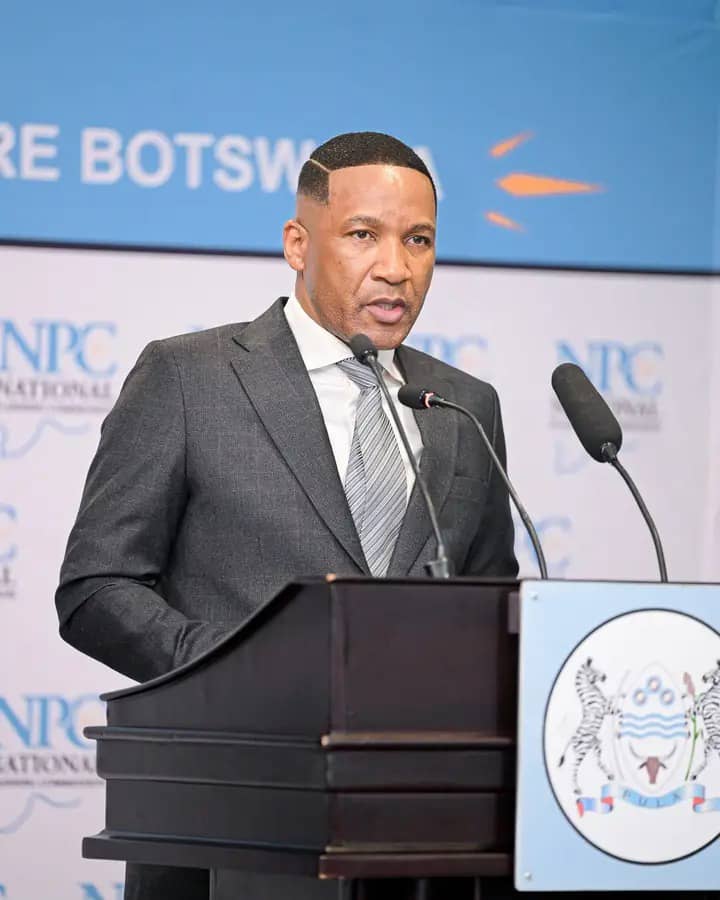

Tumelo Rannau
For decades, Botswana’s fiscal lifeline has been diamonds. But as global market pressures mount, another treasure is emerging, Value Added Tax (VAT). In the year ending 31 March 2025, domestic VAT brought in P15 billion, surpassing all other domestic tax streams. SACU receipts contributed P28 billion, but if broken down into individual country shares, VAT might already be our single largest domestic revenue source.
That growth, however, masks a serious problem. Every year, millions are lost to leakages from VAT fraud, under-declaration, and poor compliance, money that could build classrooms, fund clinics, or maintain roads. Until now, VAT collection has relied on manual invoicing and traditional audits, which are too slow to catch real-time evasion.
This is where Electronic Fiscal Devices (EFDs) come in. Under the Value Added Tax (Amendment) Bill 2025, all VAT-registered businesses will be required to issue receipts or invoices using government-approved EFDs. These devices: record every taxable transaction at the point of sale, transmit VAT data instantly to the Botswana Unified Revenue Service (BURS), allow customers to verify receipts instantly, creating public oversight and finally reduce opportunities to manipulate sales figures.
The concept is proven. Rwanda’s VAT revenue grew by over 200% in a decade after rolling out EFDs, backed by strict enforcement. Tanzania and Kenya recorded average annual VAT growth rates of 8–12% post-adoption. The logic is simple: seal the leaks, grow the pot.
But Botswana’s EFD rollout is not just a technical upgrade, it is a strategic investment. Through the African Development Bank’s Governance and Economic Resilience Support Programme, Botswana has secured a US$300 million (approx. P4 billion) loan to fund device procurement, nationwide rollout, capacity building for BURS, and private sector training. The World Bank and IMF are providing technical assistance to integrate EFDs into our broader public financial management systems.
This is a calculated bet. If we match even the lower range of Kenya and Tanzania’s post-EFD growth rates, the loan could be fully repaid within 3–5 years, including the payment holiday, purely from additional VAT captured. In other words, the reform could pay for itself within a single parliamentary term.
However, there are challenges. The policy targets VAT-registered businesses, meaning informal traders and smaller shops below the registration threshold may continue operating without issuing receipts. That’s why success will depend on complementary measures, enhanced inspections and on-site audits to deter evasion, public education campaigns to make customers demand fiscal receipts and gradual onboarding of growing businesses into the VAT register.
The stakes are high. Without EFDs, Botswana risks losing hundreds of millions annually to fraud and non-compliance, funds that could reduce borrowing, improve services, and strengthen economic resilience in a post-diamond future.
This reform also carries a broader lesson. Botswana has often relied on volatile mineral revenues to fund public services. The EFD initiative offers a path to diversify revenue streams, strengthen fiscal discipline, and demonstrate that bold government investments can be self-sustaining.
The choice is clear. Either we close the VAT leakage gap now or watch valuable revenue slip away year after year. EFDs are not just machines, they are part of a new fiscal compact between the government, businesses, and citizens, one built on transparency, compliance, and shared responsibility.
The rollout is more than a tax reform. It is a test of whether Botswana can translate large-scale borrowing into long-term fiscal independence. Success will require strict enforcement, political will, and public trust. If we rise to the challenge, VAT could become the most reliable “new diamond”we have, a steady, transparent, and sustainable source of national wealth.
*Tumelo Rannau is a tax specialist, Chartered accountant and consultant.